
Haalo is an AI-assistive exo-glove designed to help users who have lost fine motor skills due to neurological injuries—such as surgery, trauma, or spinal cord damage—restore hand dexterity and regain everyday independence.
Duration
10 Weeks
My Role
UI Lead / Product Designer
Tools
Figma, Rhino, Keyshot, Illustrator
Team
3 other designers
The Problem
People with fine motor impairments lack an adaptive assistive solution that empowers them to independently perform everyday tasks and regain confidence in their abilities.
Inspiration
My classmate’s older brother lost his fine motor skills at a very young age. While children his age would rush out the door after tying their own laces, her brother would sit and wait for help because he couldn’t do it himself.
HMW?
How might we create a solution that truly supports him in achieving just that—independence?
The Solution
We developed an assistive exo-glove that enhances grip and pinch abilities for fine motor tasks. Powered by an AI module and a companion app, the system tracks users' daily movements, adapts the glove's response to their motion patterns, and helps alleviate discomfort associated with nerve damage.
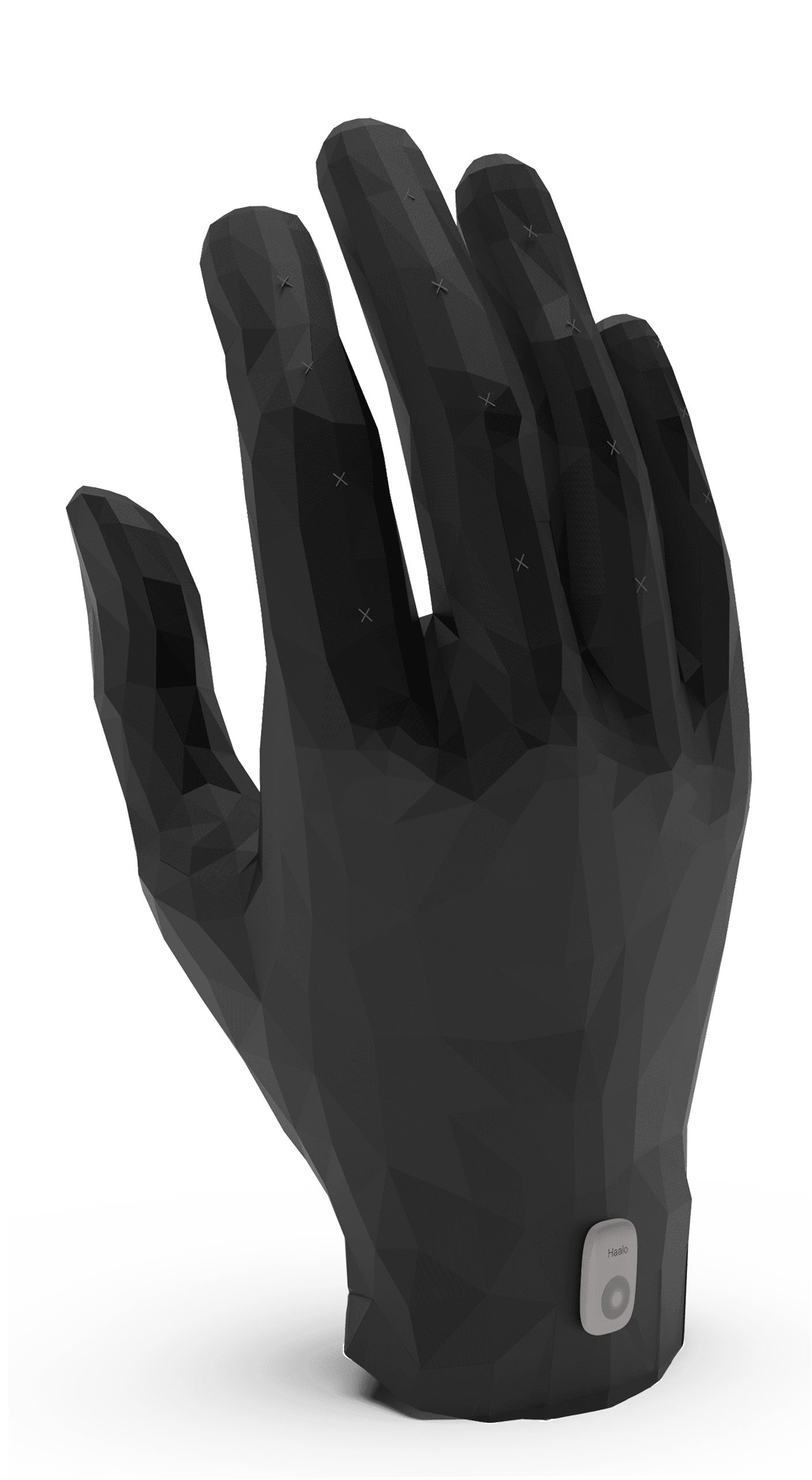
Exo-Glove
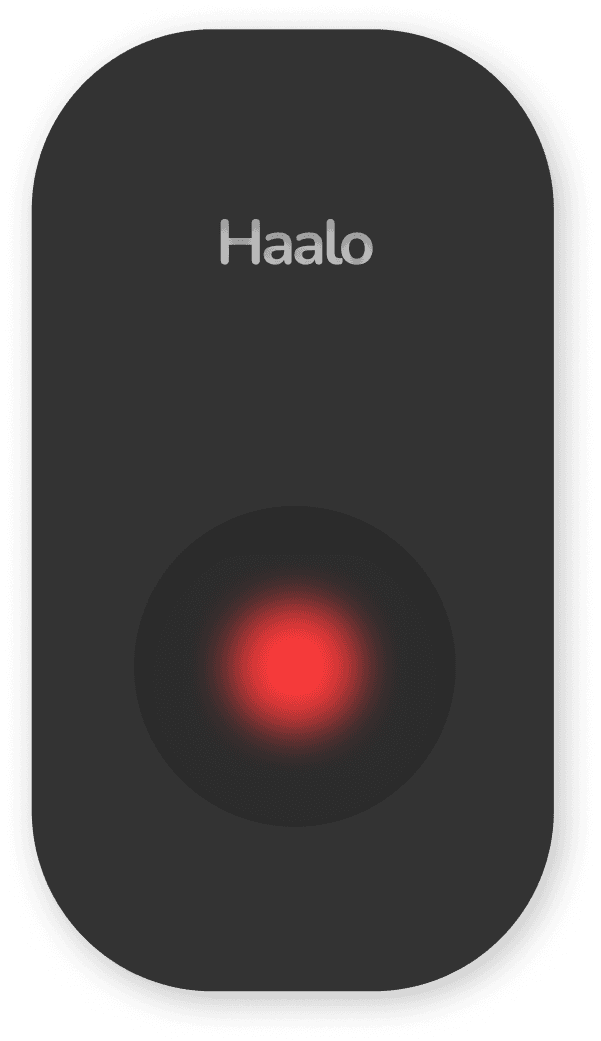
AI Training Module
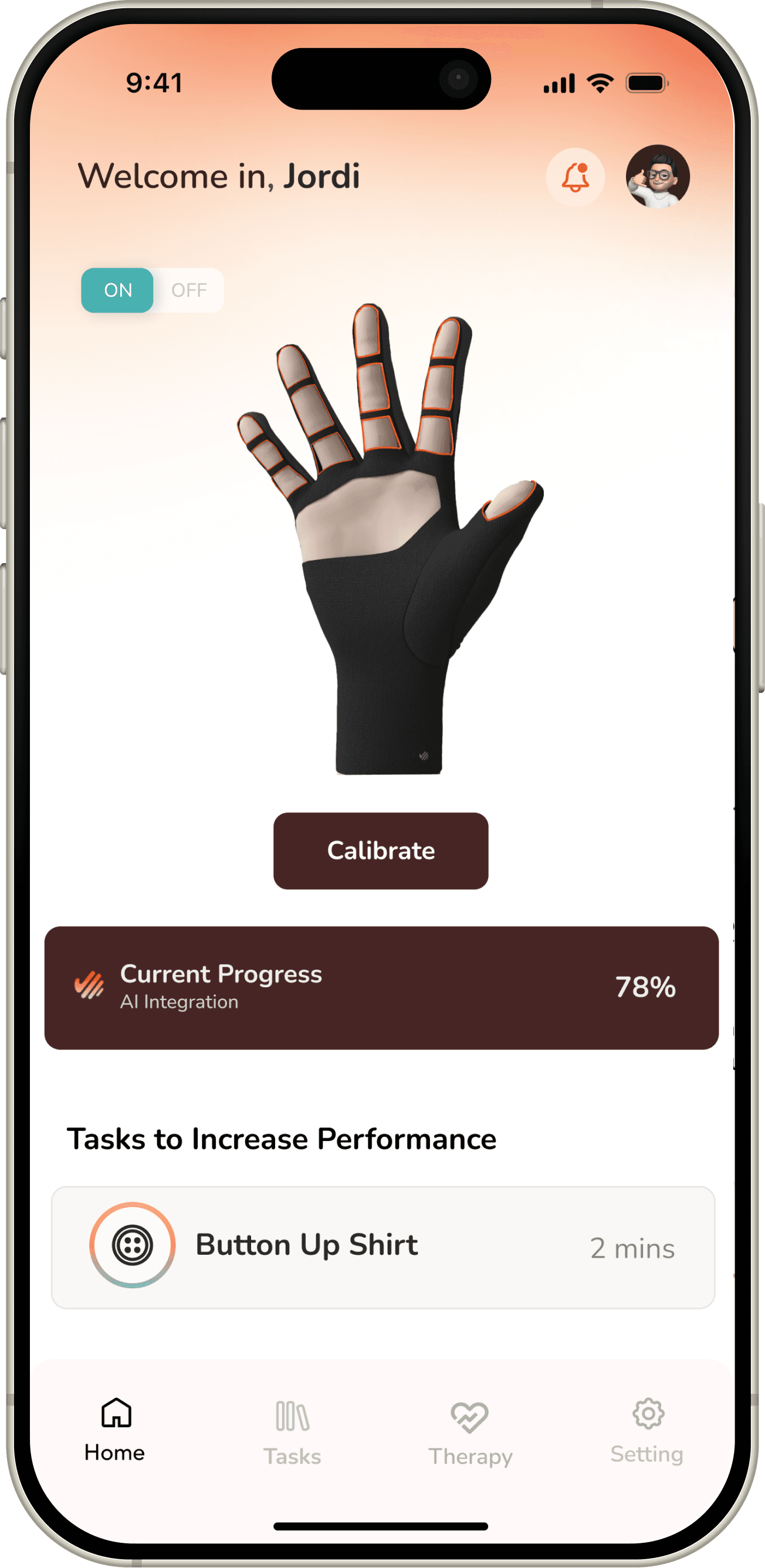
App
Exo-Glove
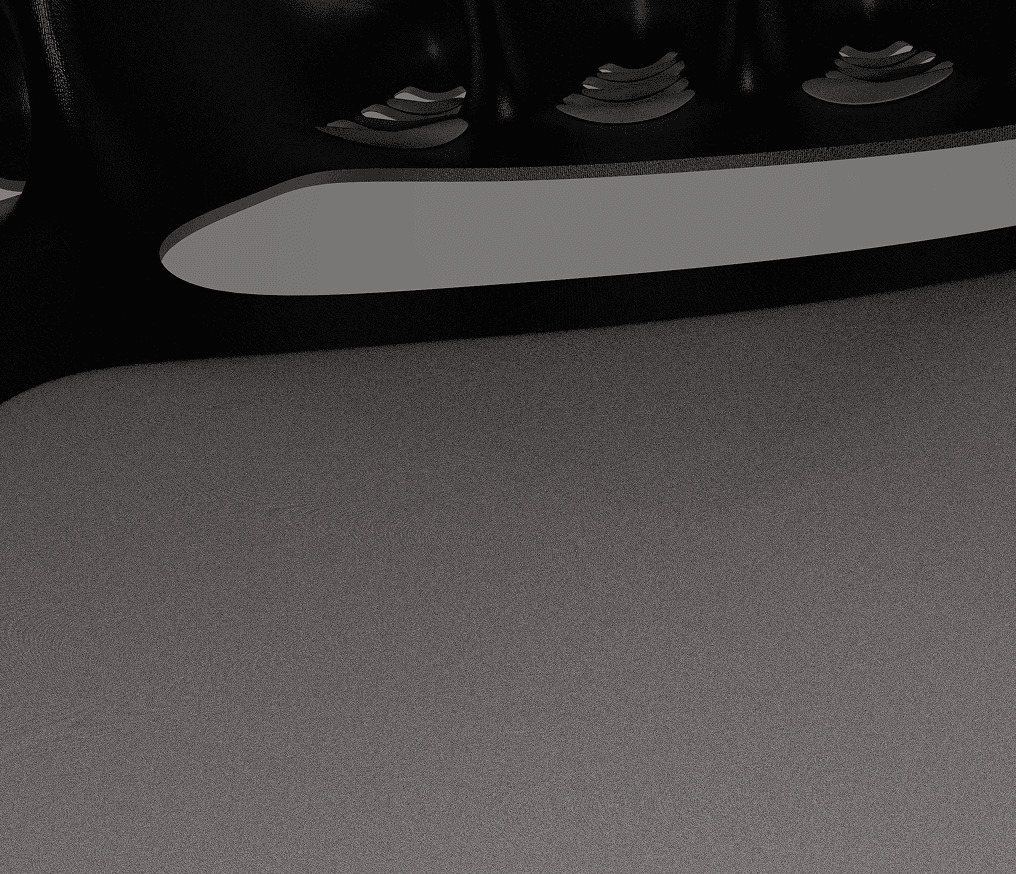
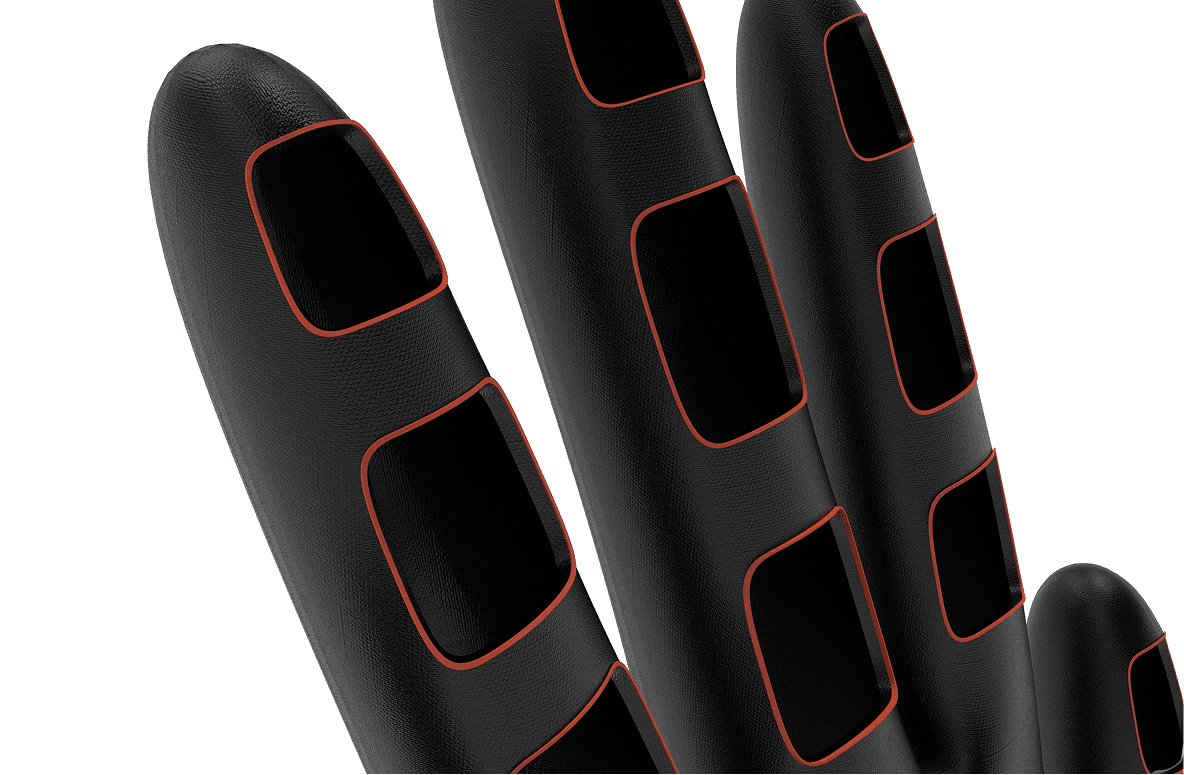
EMG Sensors
The glove uses EMG sensors embedded in the fabric to read muscle activity and identify which nerves are engaged during a task.
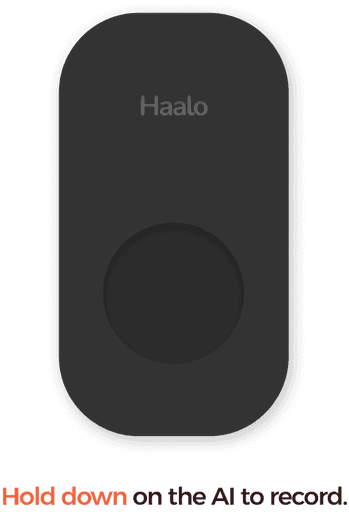
AI Module
The glove’s AI module builds on the same systems used in prosthetics, amplifying the user’s signals and translating them into stronger, supported movements.
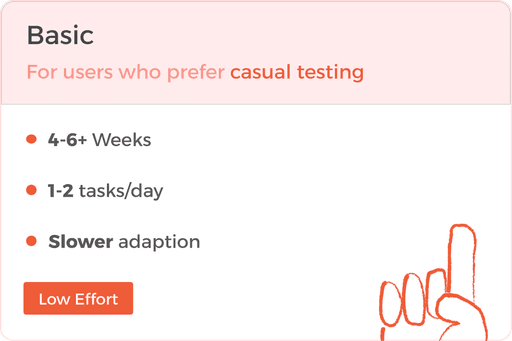
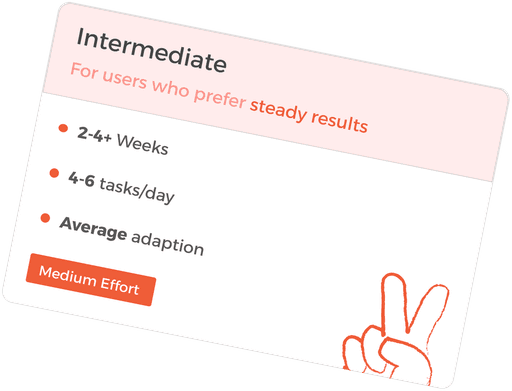
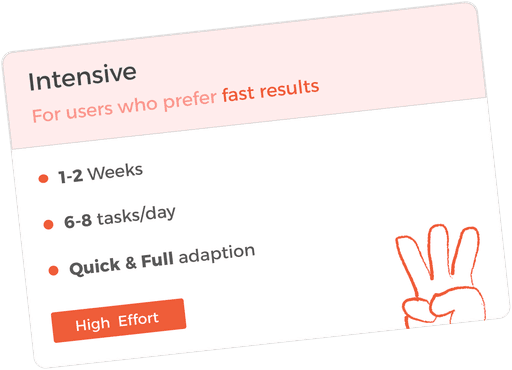
Improving it Your Way
Select the intensity of how fast you’d like your glove to adapt to your movements. These exercises and adaption reminders will be notified accordingly.
Keeping Track
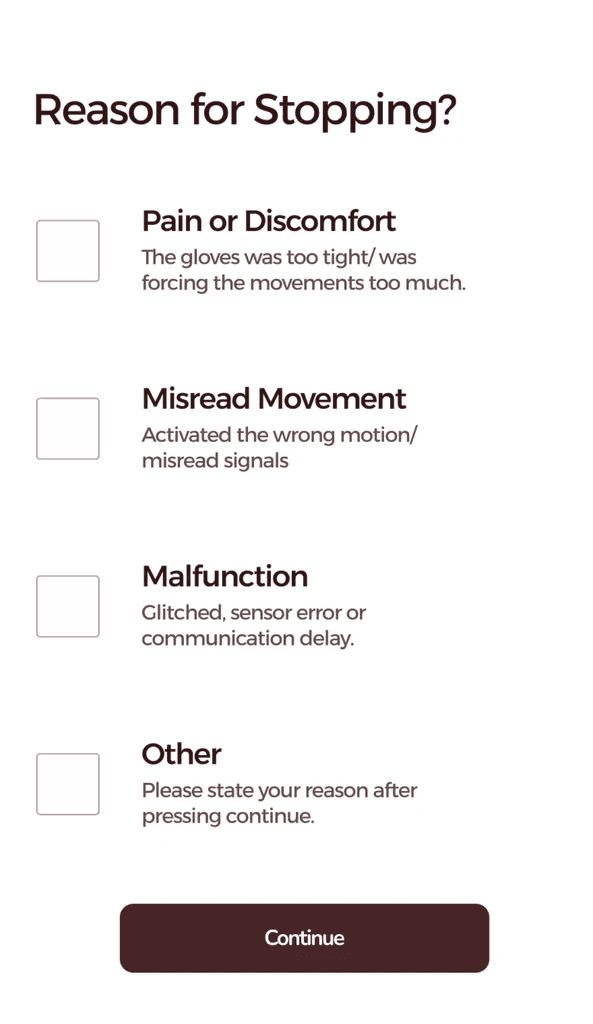
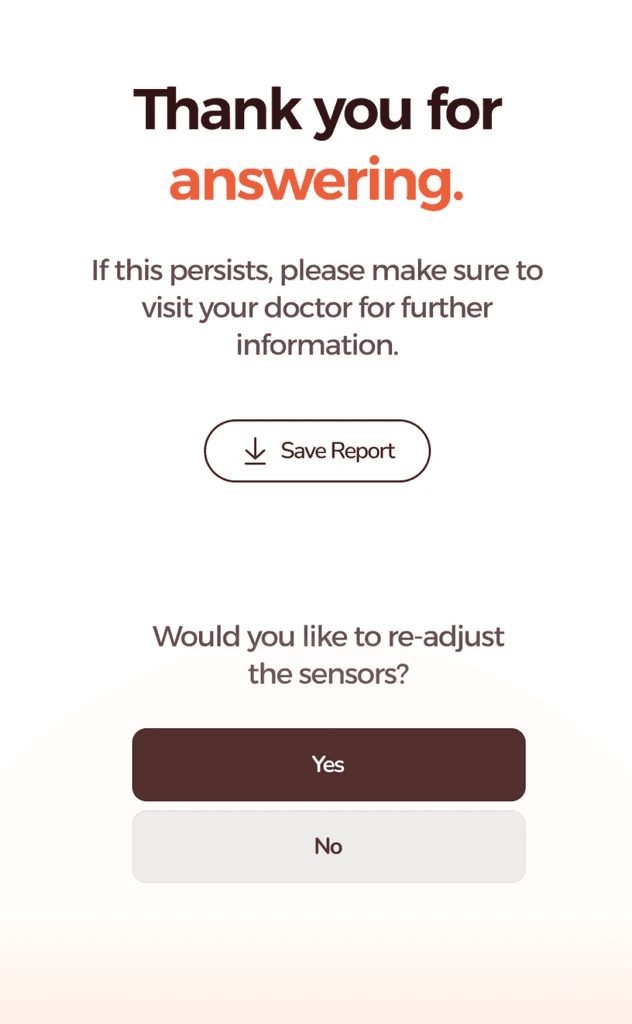
The app has an emergency stop if need be to understand how to improve and work through any obstacles that come up.


IPMC Actuators
These actuators are placed along the fingers to mimic the movement that the nerve was attempting to finish.
App
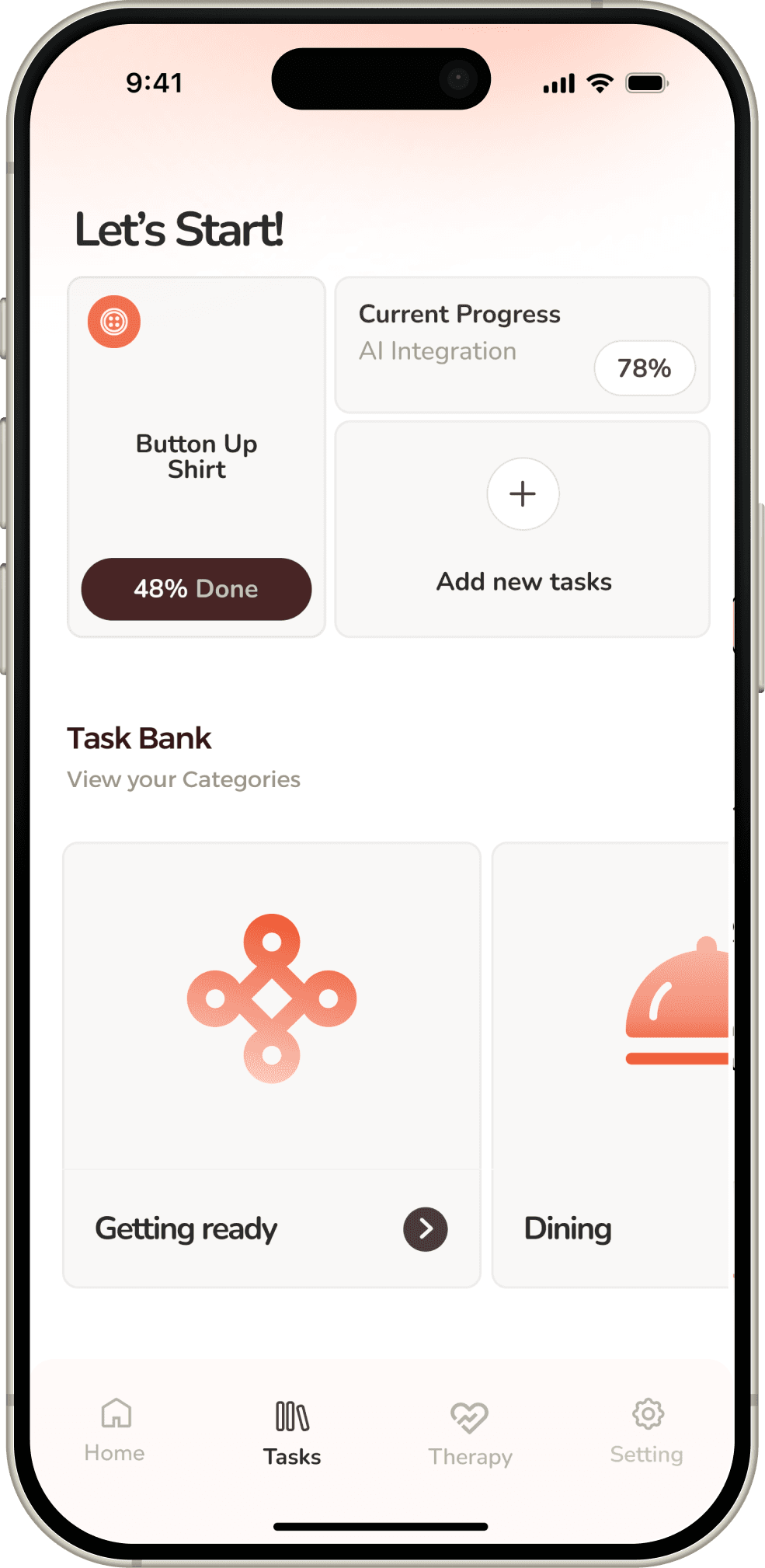
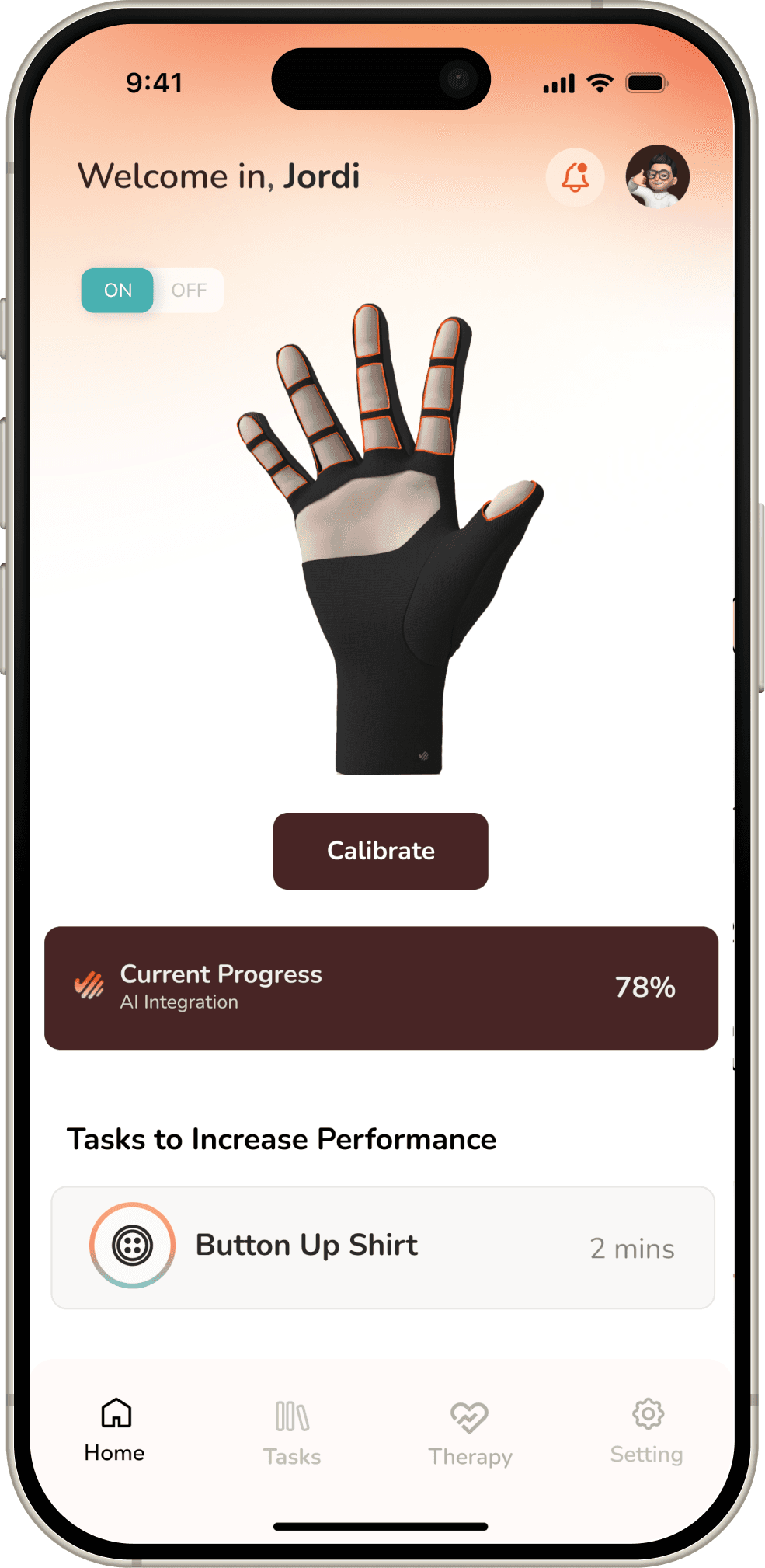
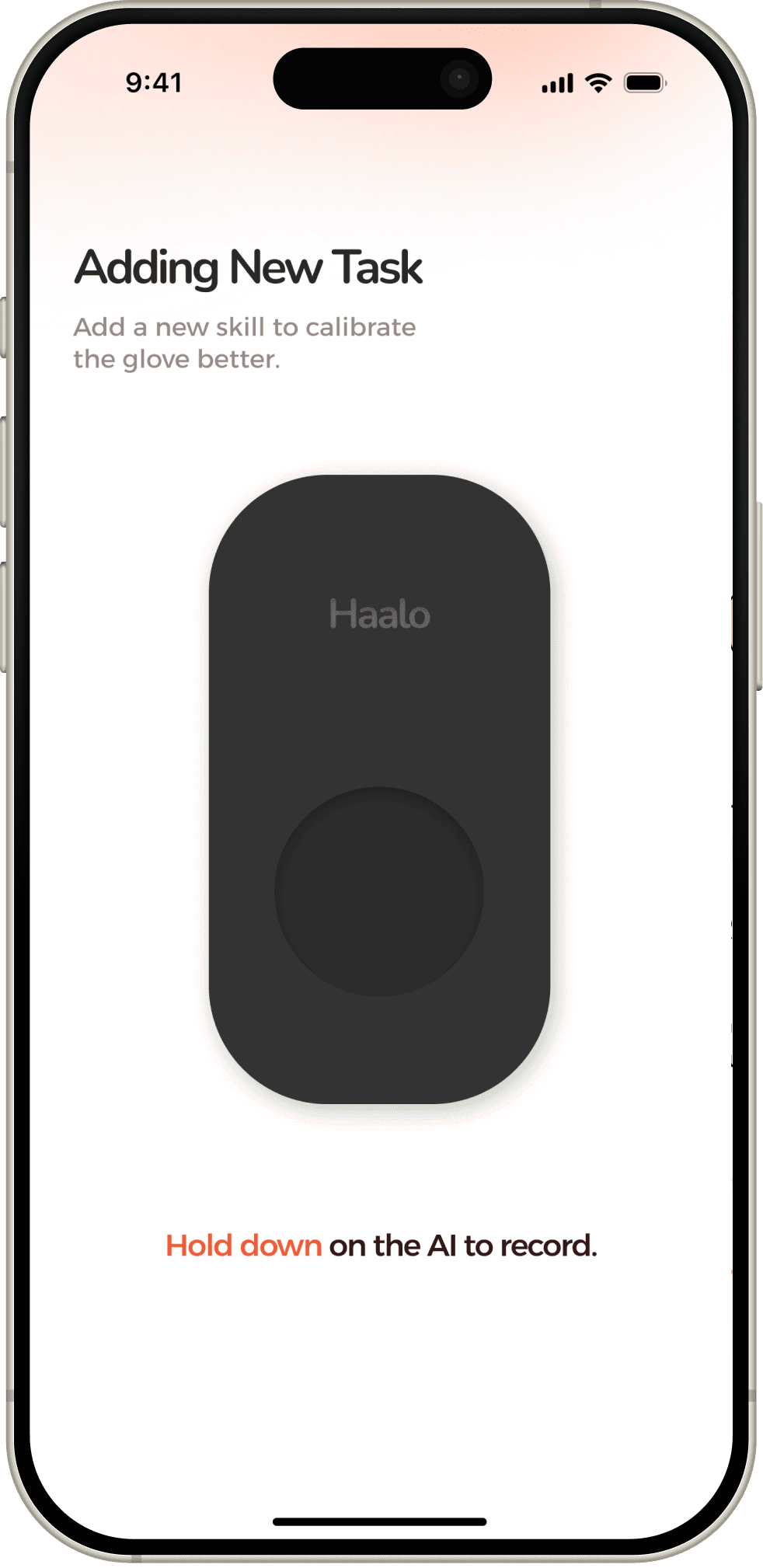
Onboarding
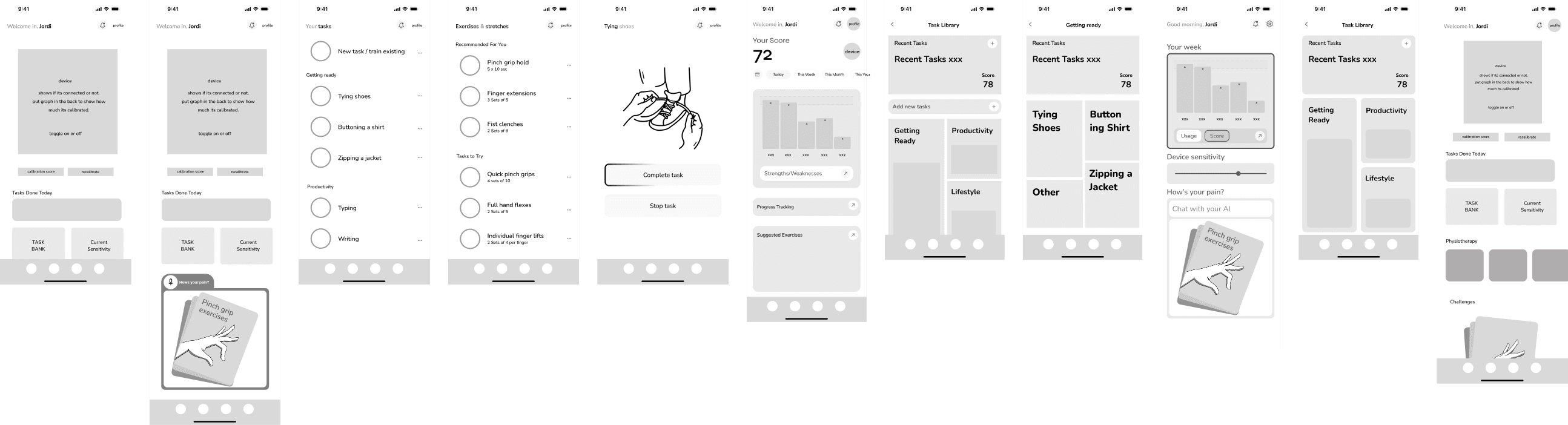
It will ask users a few basic questions related to their condition to assess sensitivity levels. The device then guides users through a series of tasks to calibrate its EMG sensors. Finally, they can choose the appropriate intensity for the onboarding experience.
Continuous Task Refinement
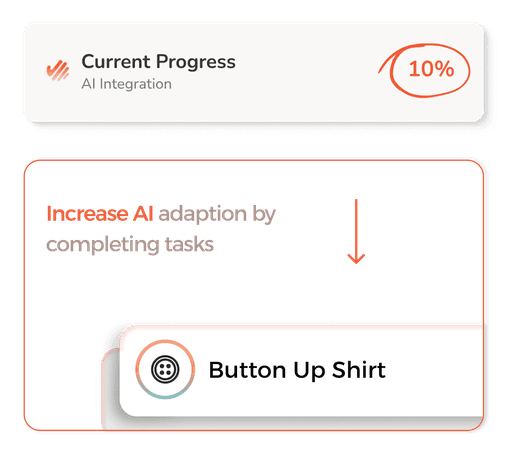
After calibration, users can record new tasks to help the AI learn their movement patterns. These tasks are saved in a library they can revisit and refine over time.
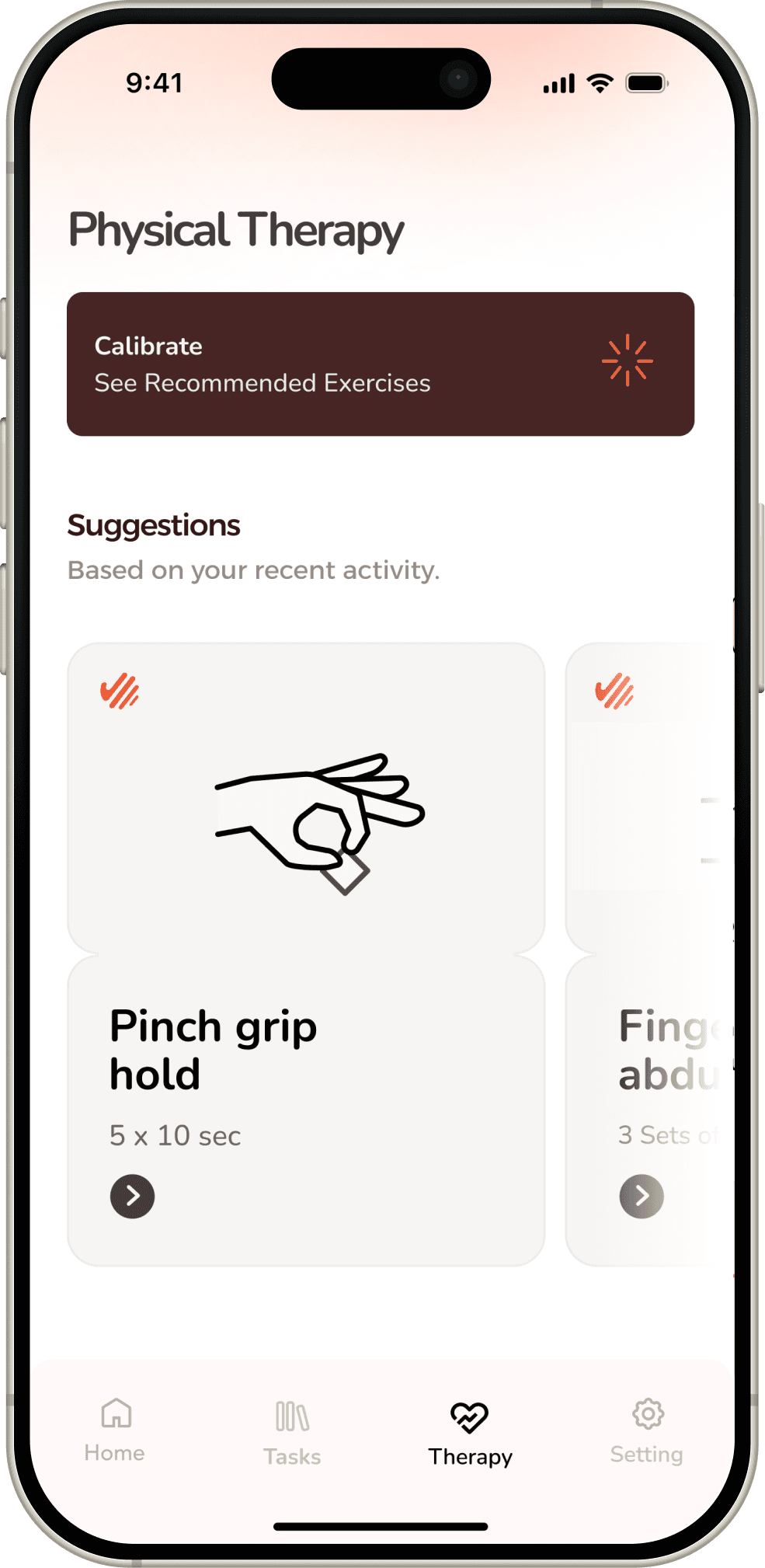
Physical Therapy
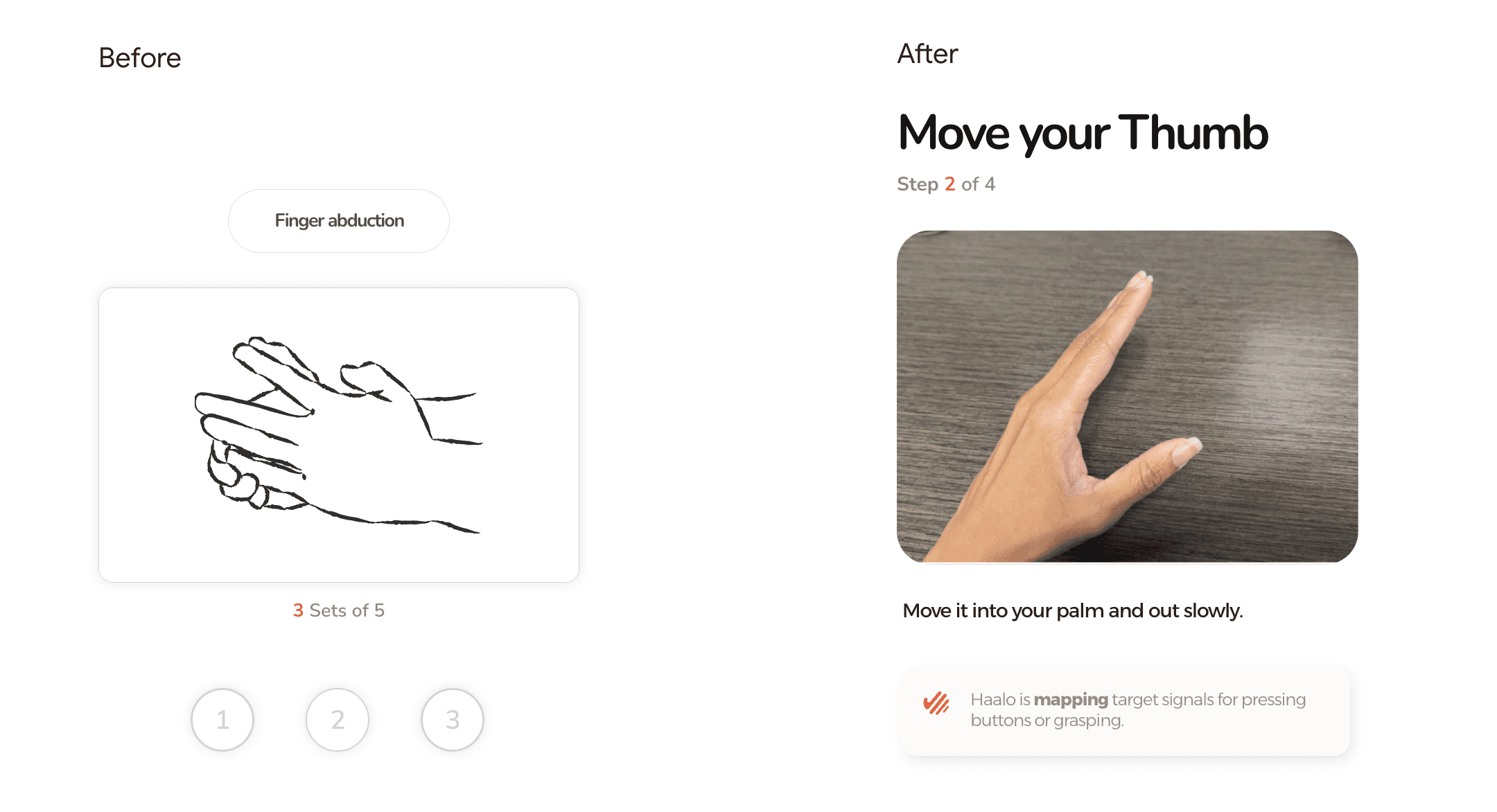
Assisted hand exercises help reduce pain from nerve damage while easing you into regular glove use. They support gentle movement, build comfort over time, and help prevent overuse.
Understanding and Developing
We interviewed and performed user studies to understand fine-motor challenges from nerve damage and finger movements to understand how the glove would fit and their pain points with current systems and apps.
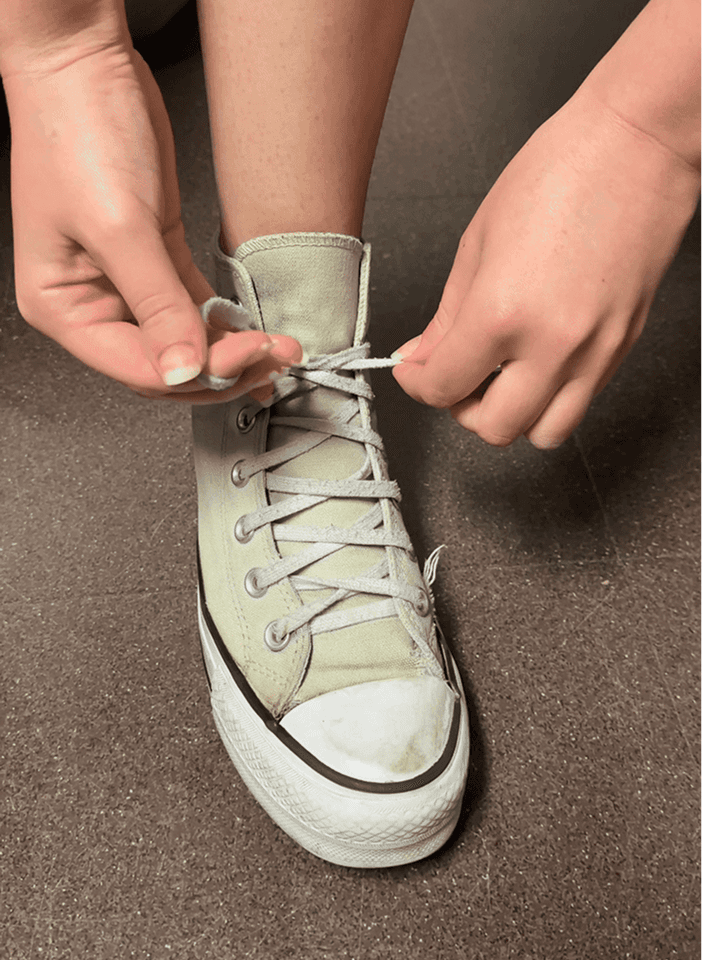
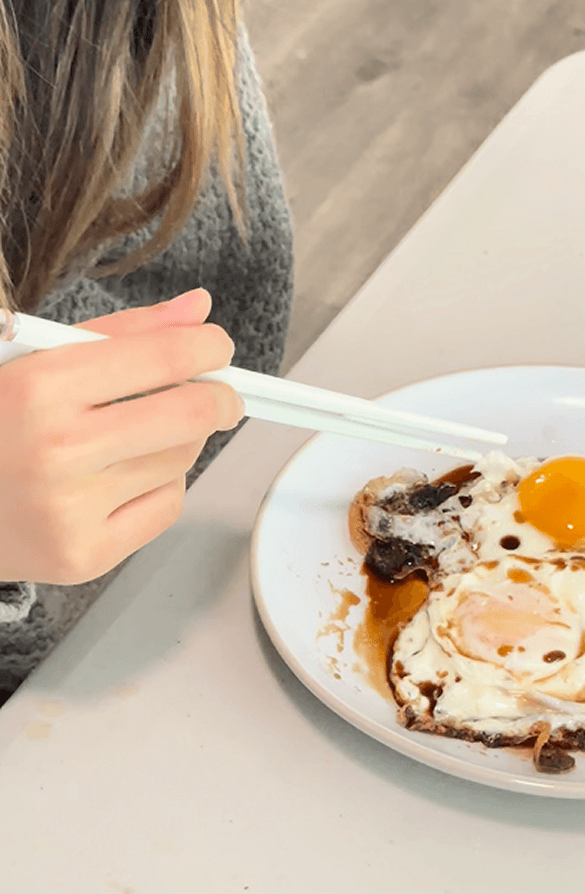
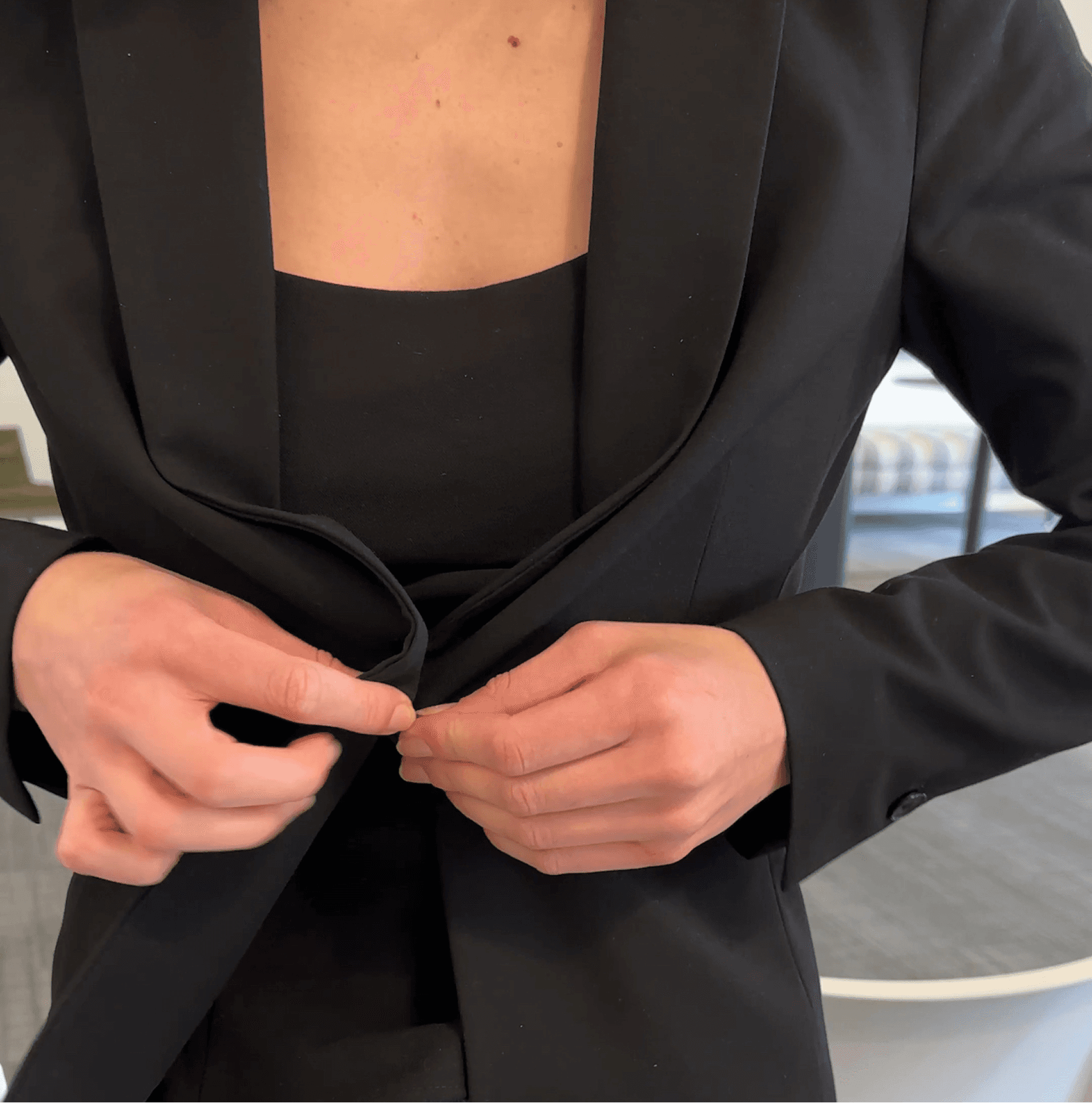
The initial design focused on supporting full hand motion, based on our assumption that this was what users with fine motor challenges lacked. However, close observation revealed that the real difficulty was in pinching, so we shifted our design to address that instead.
The Perfect Placement
Based off our user testing we found this was the ideal ring placement for comfort when pinching.
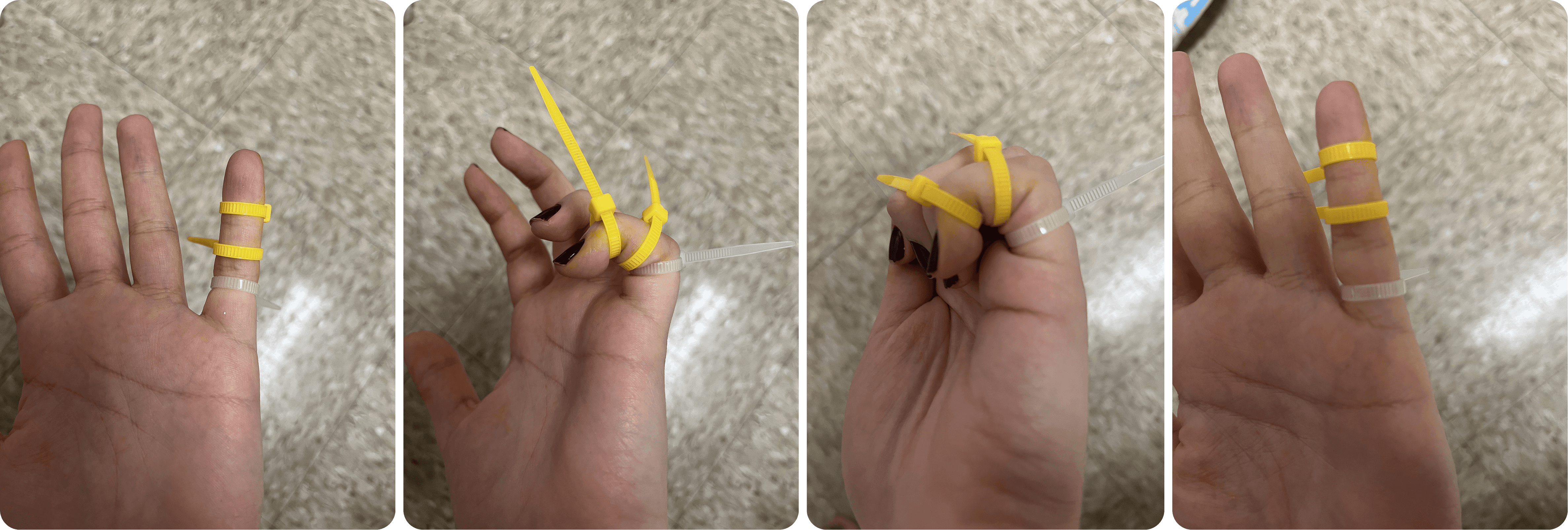
The Perfect Placement
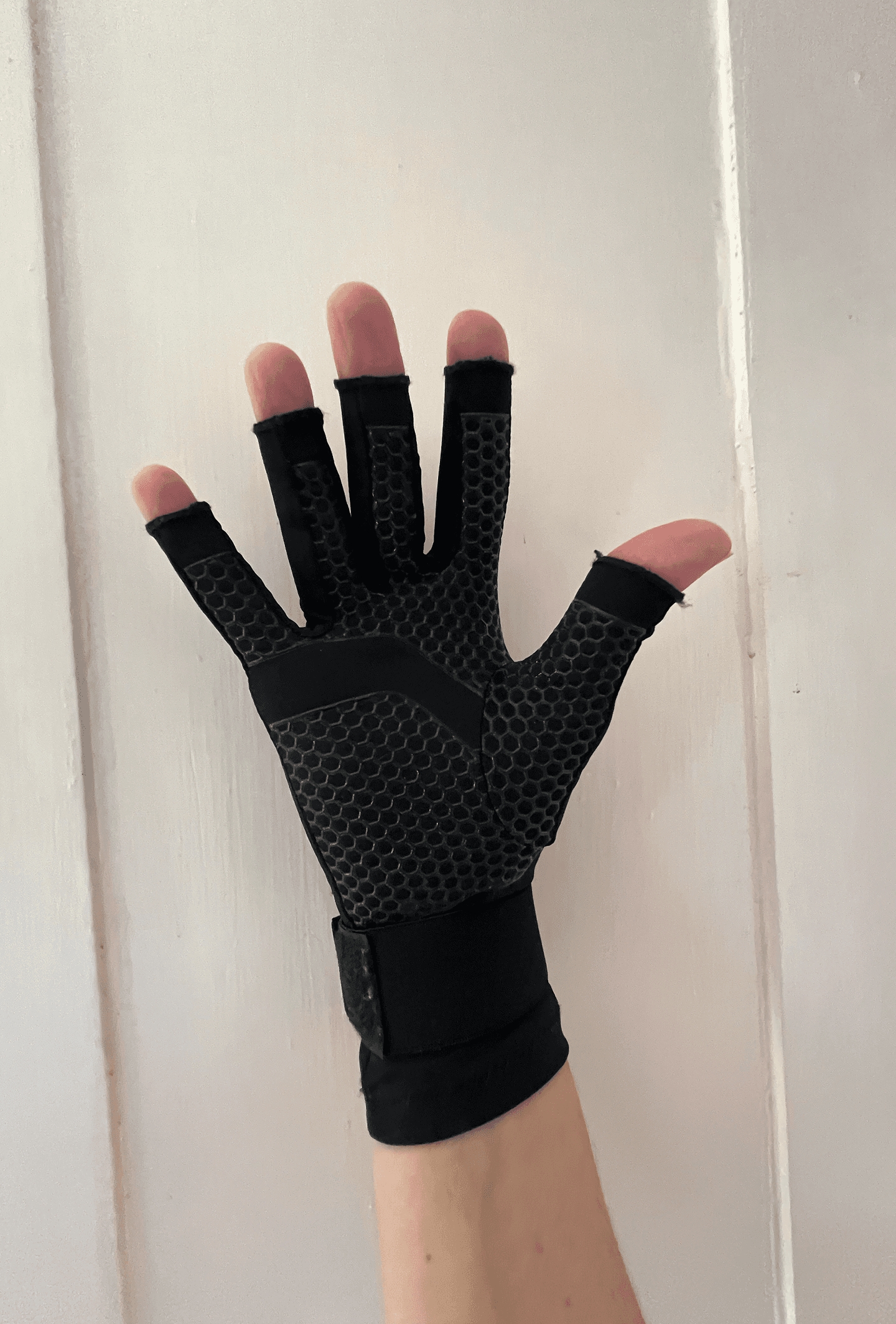
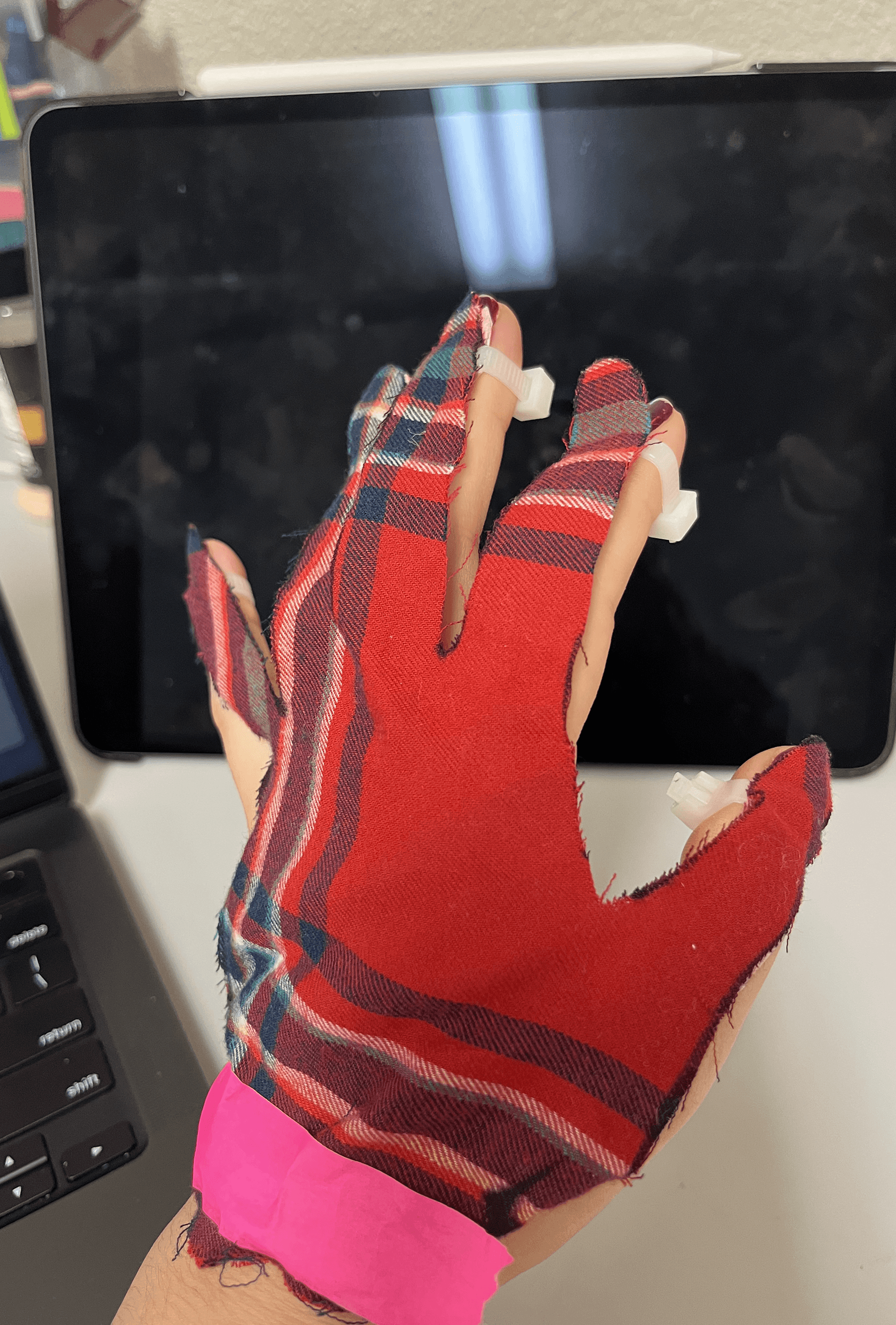
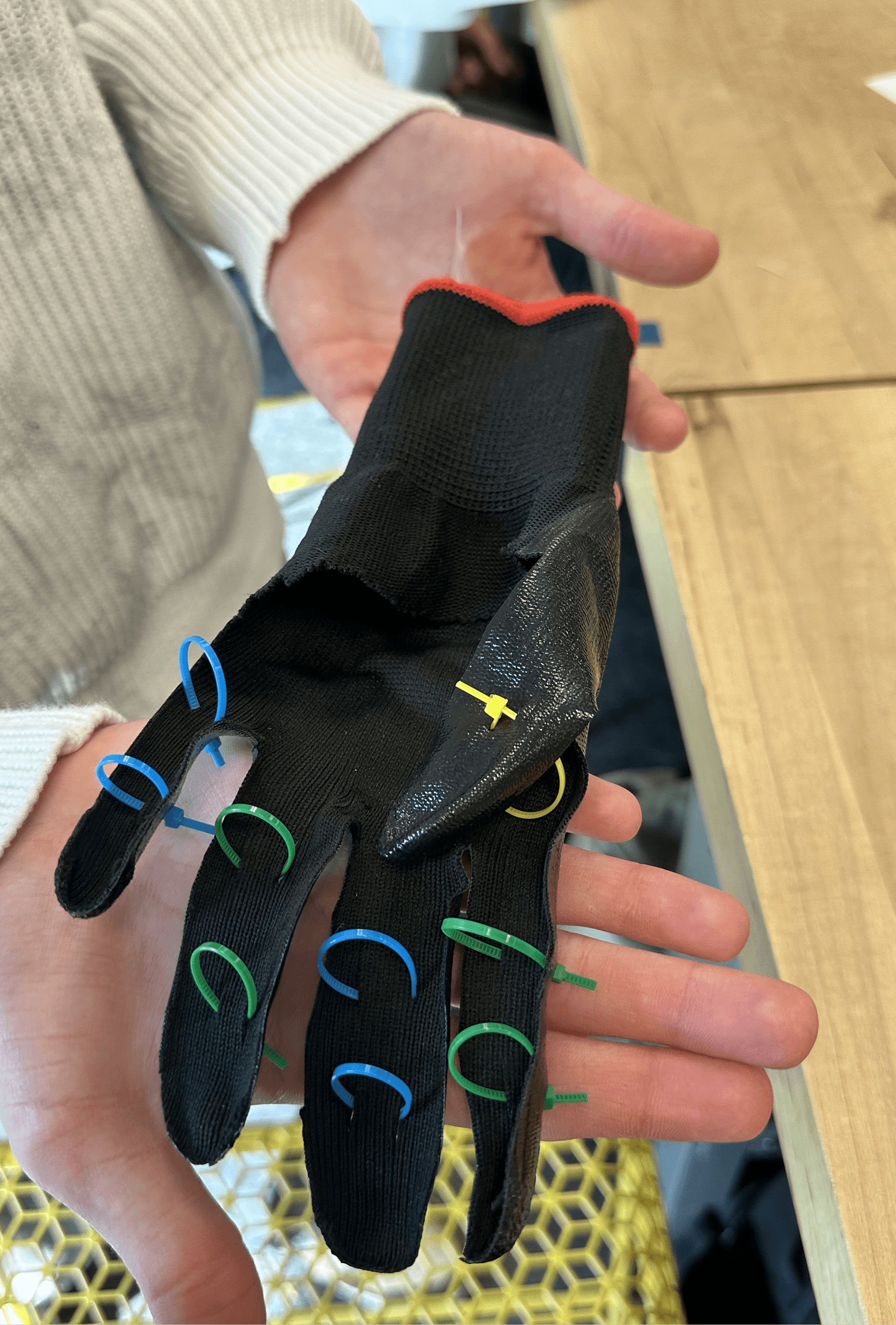
Comfortability & Usability
In this product, we adopted an agile iteration strategy of rapid prototyping and user testing. Through continuous trial-and-error and validation, we gradually broke down complex design problems into testable prototype hypotheses, improving the user experience and product performance with each iteration.
From Concept to Interface
Site Map
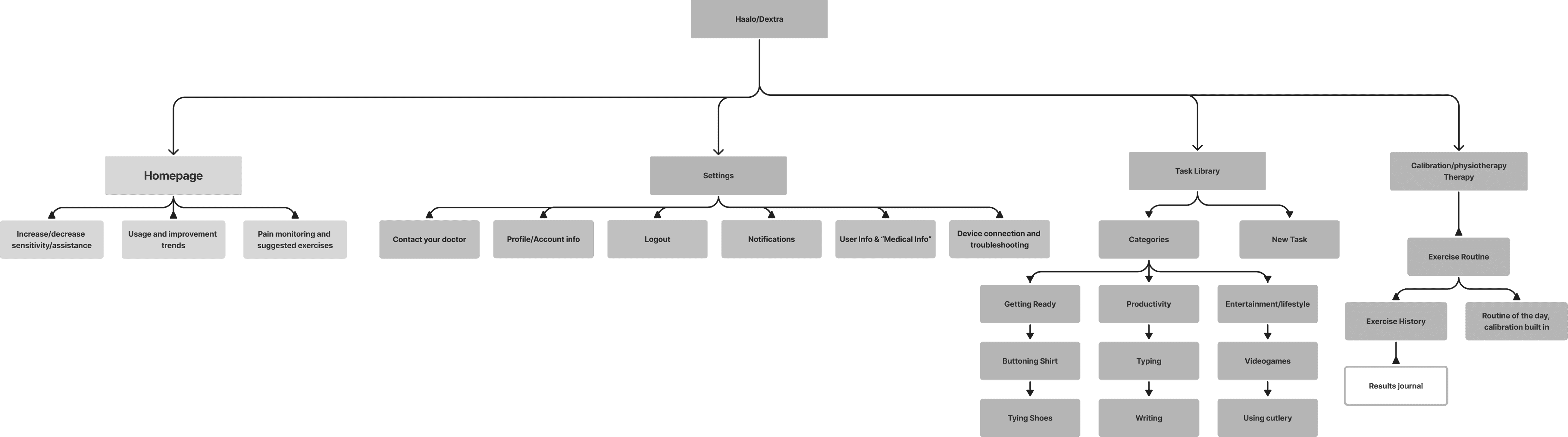
The Haalo App delivers an integrated assistive experience through four core modules—Home, Task Library, Physical Therapy Training, and Settings—providing sensitivity calibration, personalized task management, and pain-relief support, while forming a complete hardware–software feedback loop
App Iterations
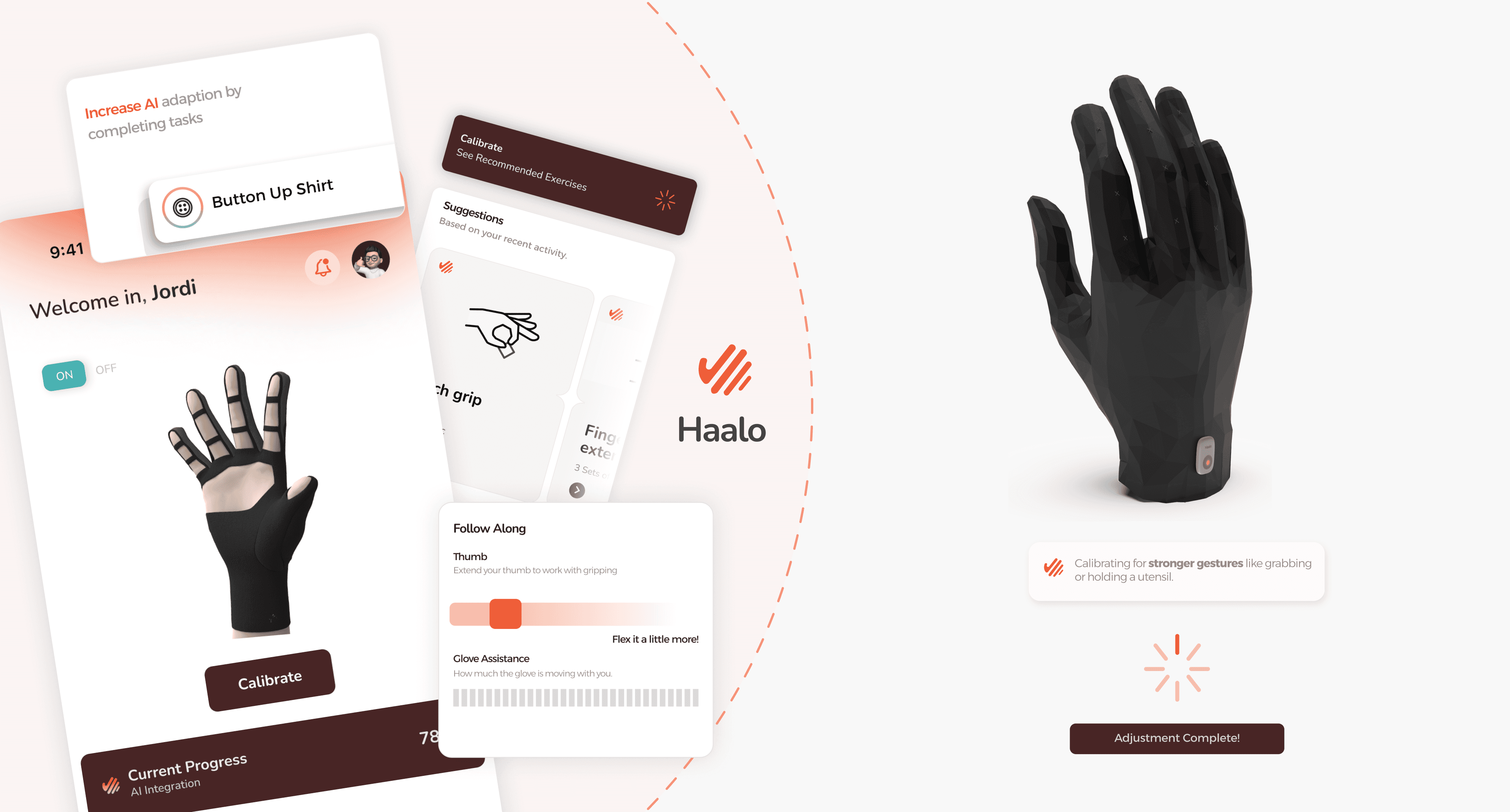
What's Haalo?
Haalo is here to lend you a hand when you need it the most.
everthing i want, wants me!